Design-Build Versus Hiring an Architect, Then a Builder
The two paths lead to the same finished house, but they get there through very different conversations about money.
September 2, 2026 · 3 min read
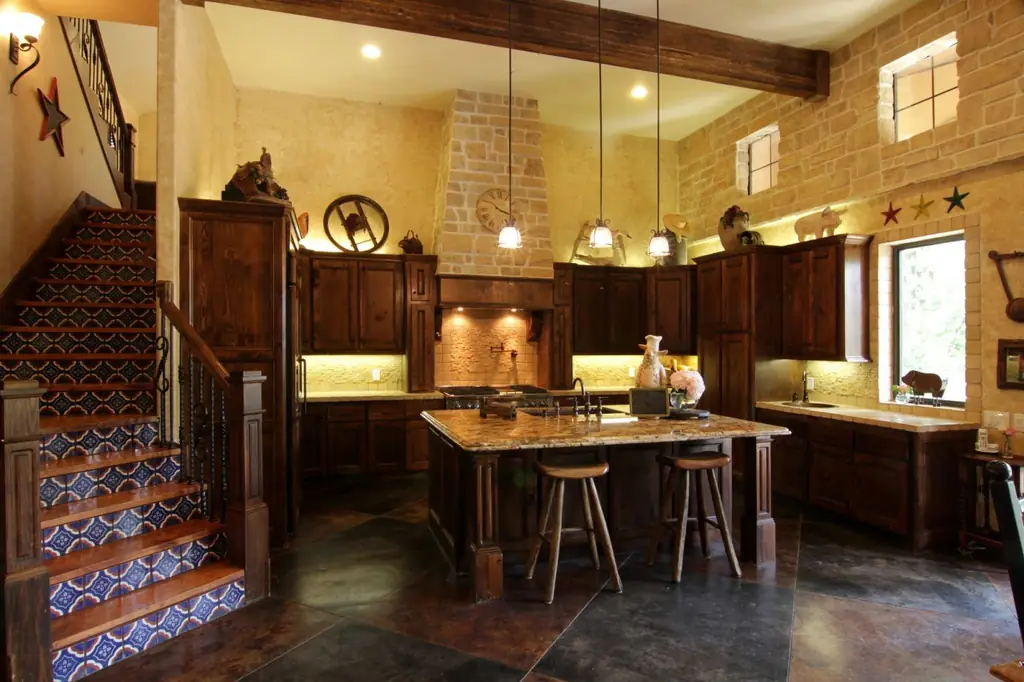
Most homeowners planning a custom build or a major remodel eventually run into this question: do you hire an architect to design the house, then take those finished plans out to bid with separate builders, or do you hire one firm that does both under a single contract. Both approaches can produce a good house. The difference is mostly in when you find out what things cost, and who's on the hook when the design and the site don't quite agree.
The traditional route
Architect first, builder second is the more familiar path, and there are real reasons people choose it, particularly when a project calls for a signature design voice or an architect the homeowner already has a relationship with. The tradeoff is sequencing. A full set of plans gets drawn before any builder has priced the project against real material and labor costs. When those plans finally go out to bid, the number that comes back is sometimes a surprise, and closing the gap between the design and the budget means the architect and the builder negotiating changes after the fact, often with the homeowner in the middle.
Change orders in that model tend to land later in the process and carry more weight, because a change now means revisiting drawings that were already considered finished.
Design-build, in practice
Under one contract, design and construction happen with the same team talking to each other the whole way through, rather than handing a finished set of drawings across a wall. That means budget gets tracked while the design is still being shaped, not revealed as a surprise once the drawings are done. If a material choice or a structural detail is going to push the number in a direction the homeowner doesn't want, that comes up during design, when it's still just a pencil change, not during framing, when it's a demolition and a delay.
- One point of contact and one contract for both design and construction
- Budget checked against real costs while the plans are still being drawn
- Fewer change orders, because constructability gets considered up front
- The same team that designed it is accountable for building it
This isn't a theoretical benefit. One of our longtime clients, across two full remodels, has said what mattered most to them was how directly the cost-effectiveness of design decisions was handled, from the first drawing through to the finished construction, and that they trust the process because design and construction were never handed off between separate parties.
Where design-build earns its keep
The clearest case for design-build shows up on additions and remodels, where the existing structure has to be understood before the design can be trusted. A builder who's already walked the house during design catches the framing quirks, the plumbing runs, the load paths that an architect working from a survey alone might not see until construction starts. Two of our own clients specifically noted that having the same people who understood the project's concerns and constraints from the start carry it through to construction kept the work on track, with no surprises.
Accountability, in plain terms
There's a simpler way to describe the difference, too. Under the architect-then-builder model, when something goes wrong between the drawings and what's buildable, there are two firms who can each point at the other. Under design-build, there's one firm, and one answer to the question of who's responsible. One of our clients said it directly: he never took shortcuts, and he didn't view change orders as a way to boost his own profits. That's a statement about incentives as much as it is about craftsmanship, because in a single-contract model, a builder who lets the budget run and then bills for the overage is billing against his own reputation with the same client he's still building for.
That accountability also shows up in credentials. Our firm carries both design-side certifications, including Certified Professional Building Designer, and construction-side ones, including Graduate Master Builder and membership with the National Association of Home Builders and the Greater Houston Builders Association. That dual grounding is really what design-build is, in practice: one group of people who are qualified to do both halves of the job, rather than two separate firms each covering one half and negotiating at the seam.
Neither path is wrong. But if what you want out of the process is a number you can trust early, and fewer moments where the design and the budget have to fight it out mid-project, design-build is built to solve exactly that problem.
Envision Design Build, (713) 789-8262
Call (713) 789-8262